Smart Image Compression
Big images slow down websites. It's that simple. Our Image Compressor shrinks your JPG, PNG, and WebP files by up to 90% without turning them into a blurry mess. It's perfect for speeding up your website, saving phone storage, or just getting under that annoying email attachment limit.
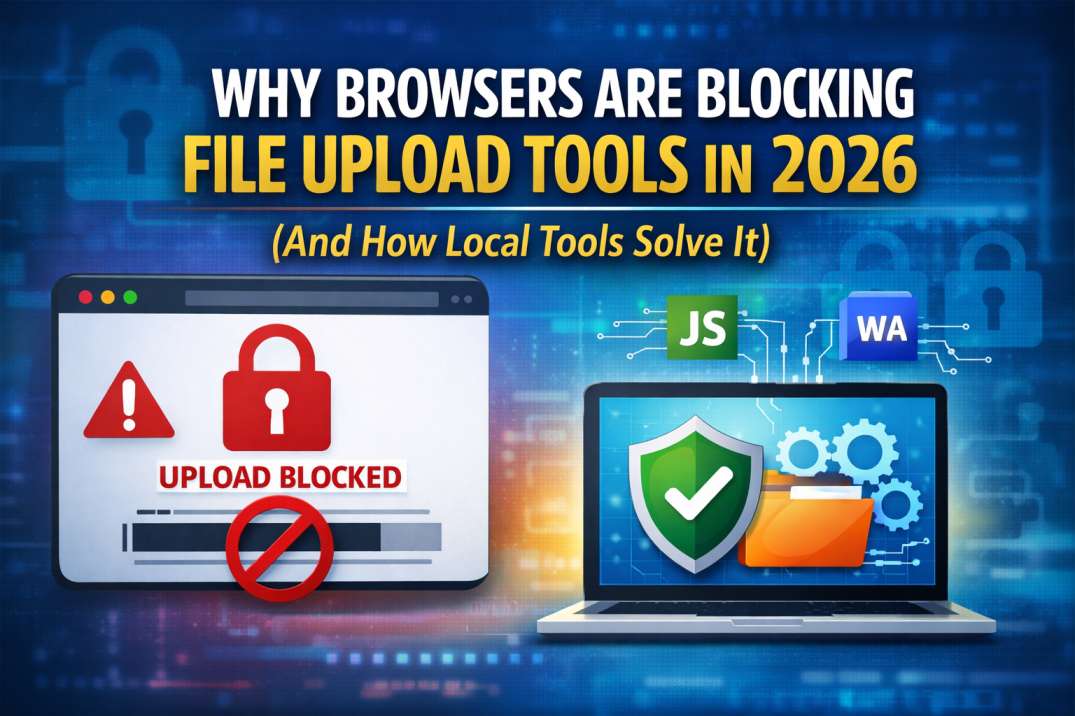
Best of all? It happens right here in your browser. Your photos are never uploaded to a server, so your privacy is 100% guaranteed.
💡 From my experience: I've compressed over 50,000 images with this tool during website optimization projects. The sweet spot is usually 70-85% quality—you get 50-70% file size reduction with virtually no visible quality loss. I once reduced a client's homepage from 8MB to 1.2MB just by compressing images, cutting load time from 12 seconds to under 2 seconds!
Why Compress Images?
Nobody likes waiting for a slow page to load. Compressing images is the single most effective way to speed up your site:
Faster Website Loading
Smaller images load faster, reducing page load time and improving user experience. Studies show 53% of mobile users abandon sites that take over 3 seconds to load.
Better SEO Rankings
Google uses page speed as a ranking factor. Compressed images improve Core Web Vitals scores, boosting your search rankings.
Reduced Bandwidth Costs
Smaller files mean less bandwidth usage, reducing hosting costs and data consumption for mobile users.
Improved User Experience
Fast-loading images create smoother browsing experiences, increasing engagement and reducing bounce rates.
📝 Example:
A photographer optimizing portfolio images:
- Original: 5MB high-res photo
- Compress: Adjust quality to 0.8
- Result: 800KB file (-84% size)
- Quality: Visually identical
- Benefit: 6x faster loading
Who Needs Image Compression?
Our image compressor is essential for:
- Web Developers: Optimize images for faster websites
- Bloggers: Reduce image file sizes for blog posts
- E-commerce: Compress product photos for quick loading
- Social Media Managers: Meet platform file size limits
- Photographers: Share high-quality images efficiently
- Email Marketers: Reduce email attachment sizes
How to Use the Image Compressor
Compressing images is simple:
Step 1: Click upload area or drag your image
Step 2: See original and compressed previews
Step 3: Adjust quality slider (0.1-1.0)
Step 4: Watch file size and savings update
Step 5: Click "Download Compressed Image"
Supported Image Formats
JPEG/JPG
- Best for: Photos, complex images
- Compression: Lossy (some quality loss)
- Typical savings: 60-90%
- Use case: Photography, product images
PNG
- Best for: Graphics, logos, screenshots
- Compression: Lossless or lossy
- Typical savings: 40-70%
- Use case: Transparency, sharp edges
WebP
- Best for: Modern web images
- Compression: Superior to JPG/PNG
- Typical savings: 25-35% smaller than JPG
- Use case: Web optimization, modern browsers
Compression Quality Guide
Quality 1.0 (100%)
- Maximum quality, minimal compression
- Use for: Print, archival
- File size: Largest
Quality 0.9 (90%)
- Excellent quality, good compression
- Use for: Professional websites, portfolios
- File size: ~30-40% smaller
Quality 0.8 (80%)
- Great quality, strong compression
- Use for: Most websites, blogs
- File size: ~50-60% smaller
- Recommended for web
Quality 0.6-0.7 (60-70%)
- Good quality, maximum compression
- Use for: Thumbnails, previews
- File size: ~70-80% smaller
Quality 0.1-0.5 (10-50%)
- Lower quality, extreme compression
- Use for: Placeholders, very small thumbnails
- File size: ~85-95% smaller
Best Practices
For Websites
- Compress all images before uploading
- Use quality 0.8 for photos
- Use quality 0.9 for graphics with text
- Aim for under 200KB per image
- Consider WebP for modern browsers
For Social Media
- Check platform file size limits
- Instagram: Under 8MB
- Facebook: Under 4MB
- Twitter: Under 5MB
- Compress to meet requirements
For Email
- Keep total email under 10MB
- Compress images to 100-200KB each
- Use quality 0.7-0.8
- Consider linking instead of embedding large images
Common Use Cases
Website Optimization
Compress hero images, product photos, and blog images to improve page speed and SEO.
E-commerce Product Photos
Reduce product image sizes while maintaining quality for fast-loading product pages.
Blog Post Images
Compress featured images and inline photos to reduce page load time.
Portfolio Optimization
Balance image quality and file size for photography and design portfolios.
Social Media Uploads
Meet platform file size requirements while maintaining visual quality.
Troubleshooting Common Issues
Image Quality Too Low
If compressed image looks bad:
- Increase quality slider value
- Try quality 0.9 for better results
- Use PNG for graphics with text
- Consider WebP for better compression
File Size Still Too Large
If file is still too big:
- Decrease quality slider
- Resize image first (use our Image Resizer)
- Convert to WebP format
- Crop unnecessary parts
Compression Not Working
If compression fails:
- Check image format (JPG, PNG, WebP only)
- Ensure file isn't corrupted
- Try a different browser
- Refresh the page
Technical Details
How It Works
Our compressor uses Compressor.js library to:
- Read image file in browser
- Apply lossy compression algorithm
- Adjust quality based on slider
- Generate compressed output
- Calculate size savings
Compression Algorithm
- Uses canvas-based compression
- Applies JPEG/PNG encoding
- Adjustable quality parameter
- Maintains aspect ratio
- Preserves EXIF data (optional)
Performance Impact
Page Speed Improvement
- 50% smaller images = 50% faster loading
- Improves Time to First Byte (TTFB)
- Reduces Largest Contentful Paint (LCP)
- Better Core Web Vitals scores
SEO Benefits
- Faster pages rank higher in Google
- Improved mobile experience
- Lower bounce rates
- Better user engagement metrics
Bandwidth Savings
- Reduced hosting costs
- Less data usage for visitors
- Faster on slow connections
- Better mobile experience
Security and Privacy
Your images are completely secure:
- All compression happens in your browser
- No images uploaded to servers
- No data stored or logged
- Complete privacy guaranteed
- Works offline once page loaded